

Emerging Technologies: From Experiment to Operations
Computer vision, machine learning and IoT deliver value when someone can run them every day.
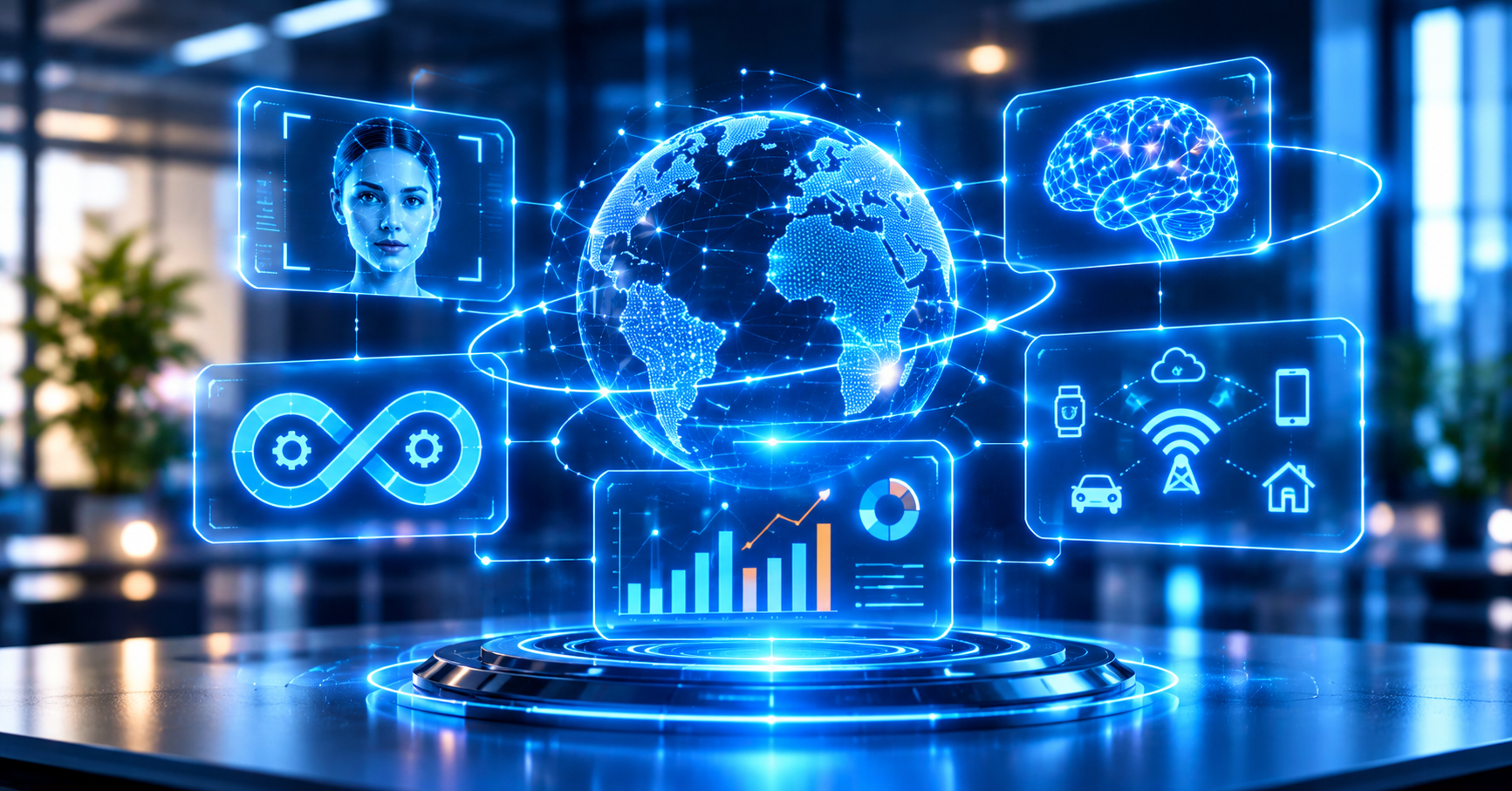
A camera that spots defects on a test bench is a promising experiment. A camera that keeps spotting them through dust, glare and a product redesign is an operational system. The distance between the two is mostly engineering.
What Each Technology Is Good For
- Computer vision: quality inspection, safety monitoring, counting and reading labels.
- Machine learning: finding patterns for classification, recommendations and anomaly detection.
- Predictive analytics: forecasting demand, customer churn or equipment failure from historical data.
- IoT: capturing temperature, vibration, location and usage from physical assets.
They work best in combination. Sensors report vibration, a model estimates the risk of failure, and a work order reaches the maintenance team before the line stops.
MLOps Keeps Models Honest
Models degrade as the world around them changes. New suppliers, seasons or camera angles can shift the data away from what the model learned, often without any visible error.
- Version data, code and models together so results can be reproduced.
- Monitor input drift and real-world accuracy.
- Release new models gradually, with a quick rollback.
- Feed corrected predictions into the next training cycle.
"A model is not finished when it is deployed. That is when its maintenance begins."
Plan for the Physical World
Decide early what runs on the device and what runs in the cloud. Edge processing helps where connections are unreliable or decisions must be immediate. Every connected device also needs secure identity, remote updates and a plan for replacement.